


Why New Members Leave: Evidence-Based Strategies for Gym Retention and Progress
By Dr. Stephen Lawrence
Membership Loss: The Evidence
The challenge of retaining new gym members is a well-documented phenomenon in fitness industry research. Evidence suggests that nearly 50% of individuals who register at health and fitness centres will not be active six months after signing up, with similar data indicating that 40-65% of new members withdraw or drop out in the first half-year. Annual retention rates hover around 60%, meaning gyms typically lose about 40% of their membership each year. Notably, boutique-style gyms focused on community-driven approaches and structured onboarding see retention rates as high as 70-80%, illustrating that a strong, engaging environment makes a substantial difference.
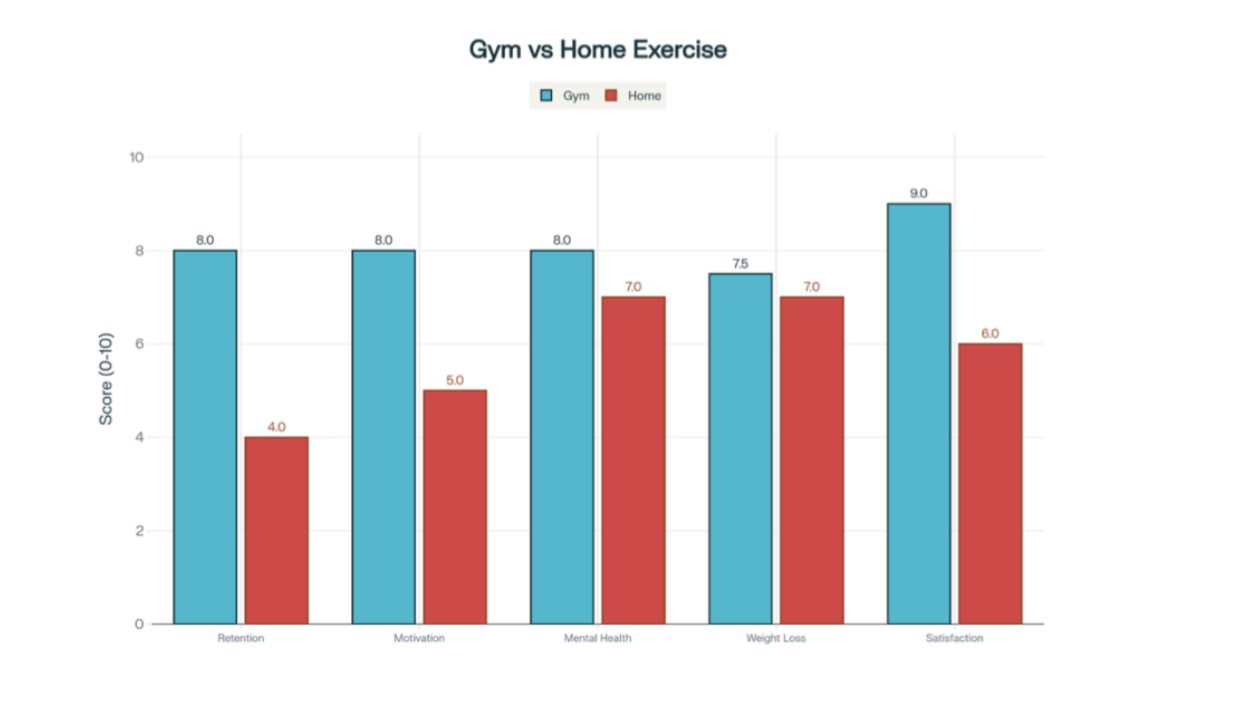
Comparison Table: Gym vs Home-based Exercise
The J-Curve: Modelling Exercise Benefits
The concept of the J-shaped curve highlights that moderate, consistent exercise confers substantial health benefits, including improved immunity and reduced risk of chronic disease, whereas extremely high, or insufficient, levels of exercise may have diminishing or adverse effects. Evidence across age groups notes that cardiovascular benefits plateau at higher activity levels, reinforcing that “more” is not always “better”; individualised plans should be adapted as members’ needs change throughout life.

The Power of Guided, Intentional Exercise
Research consistently shows that guided exercise—whether through group classes or personalised supervision, is pivotal in boosting retention. Members who take part in at least one class weekly remain at their gym for a year or longer 85% of the time, and those who engage with personal trainers are about two times more likely to continue their memberships compared to solo exercisers. Group fitness participants have a 56% higher retention rate, and individuals who receive customised workout plans renew more often (60% renewal rate). In contrast, home-based programs can offer similar health outcomes, but structured gym environments provide additional benefits such as direct supervision, social support, verbal feedback, and increased motivation.

Resistance Training and Healthy Eating
Both aerobic and resistance training are vital; structured programs in gyms show better outcomes in increasing strength, reducing body fat, and lowering disease risk. When paired with healthy eating advice, gym-based interventions outperform unstructured approaches for overall well-being and sustained engagement. Early milestone achievement in the first 90 days is strongly linked to long-term retention (60% higher likelihood of continuing), underlining the necessity for expert guidance and progress tracking.

Innovation: Embedded Music Techniques
Increasingly, research supports the use of music-based methods to enhance exercise adherence and enjoyment. Group fitness classes typically feature music to motivate, energise, and create a sense of community—factors linked to higher membership retention and satisfaction. Embedded music strategies can reduce perceived exertion and improve mood, which is particularly useful for those at risk of early dropout.

Challenges and Best Practice
Health and fitness centres must navigate obstacles like waning motivation, insufficient onboarding support, and the failure to personalise exercise routines. Clean, well-maintained facilities and flexible services remain crucial; 79% of members indicate that these aspects directly influence renewal decisions. “One size fits all” solutions do not serve diverse member populations—a progressive approach tailored for life stages, preferences, and physical abilities is essential.

Partner for Better Member Retention
For gyms and health centres seeking to improve retention and empower members with innovative exercise and music-based techniques, contact PrescribedNotes.com today for information about our health and well-being pilot programs. Our evidence-based solutions are designed to keep your members inspired, active, and thriving.